How to Buy Your First Aircraft
A practical walkthrough of mission planning, financing, inspections, and closing.
Buying your first aircraft is one of the most rewarding decisions a pilot can make — and one of the most expensive if you rush it. The good news: nearly every costly first-purchase mistake is avoidable with a clear mission, a realistic budget, and a disciplined process.
Step 1: Define the mission before the model
Most buyers start with an airplane in mind and work backward. Do the opposite. Write down how you will actually fly: typical trip length, number of seats used, runway lengths at your home base, whether you need IFR capability, and how many hours per year you realistically expect to fly.
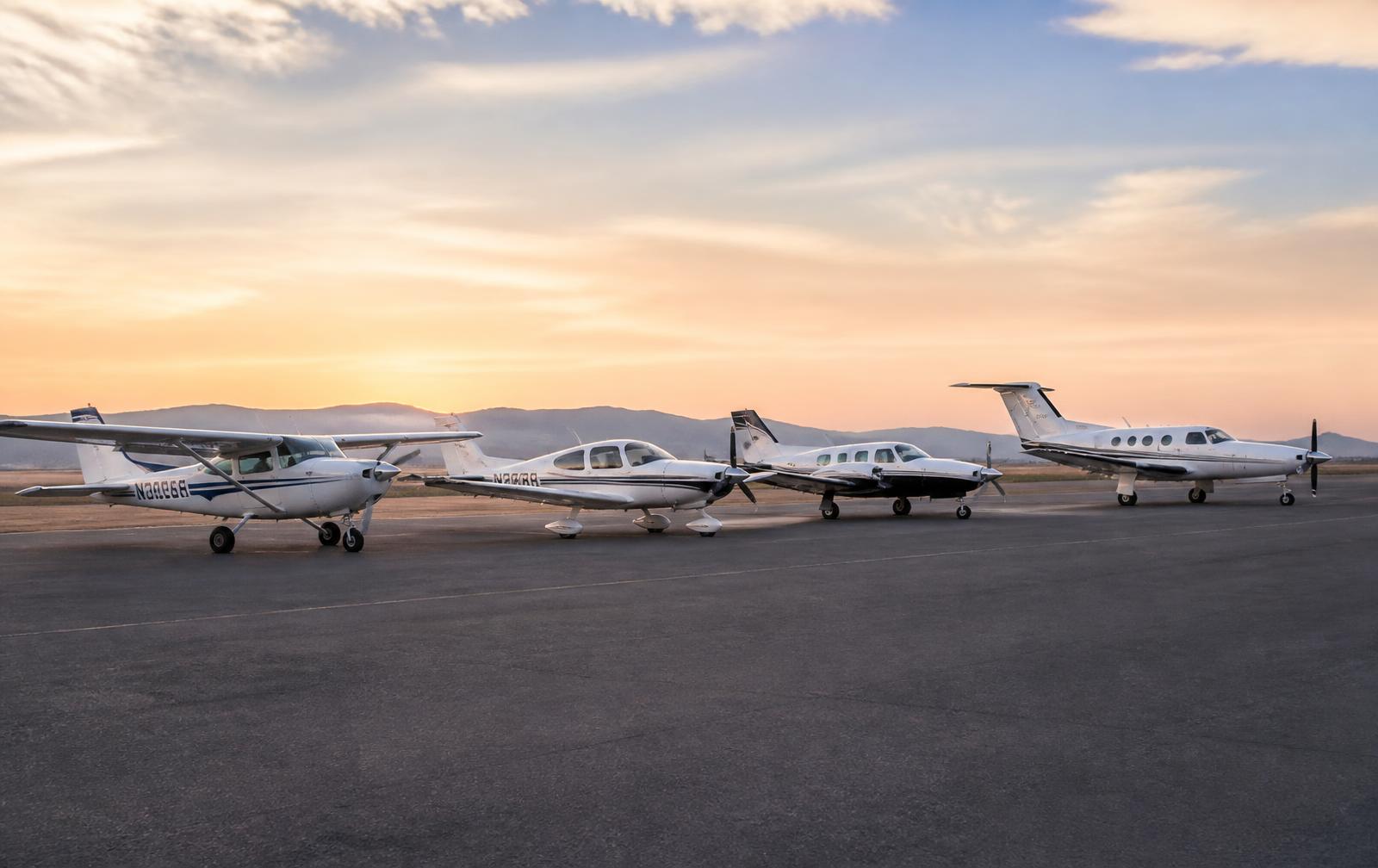
- Trips under 300 nm with two people: a well-equipped single like a Cessna 182 or Piper Archer is hard to beat.
- Regular 500–700 nm trips: consider a Bonanza, Cirrus SR22, or a light twin.
- Frequent hard IFR, mountains, or family of five-plus: step up to a turbocharged single or turboprop.
Step 2: Budget for the true cost of ownership
The purchase price is the down payment on a longer relationship. Build a spreadsheet that includes hangar or tie-down, insurance, annual inspection, engine and prop reserves, avionics database subscriptions, fuel, and unscheduled maintenance.
A reliable rule of thumb for a piston single: set aside $20–$35 per tach hour for engine reserve alone, and expect the first-year cost to run above steady state because you will fix items the previous owner deferred.
Step 3: Understand financing and insurance early
Aircraft lenders typically want 15–20% down, and terms depend on the aircraft age and your experience. Get a pre-approval before you make an offer so you can move quickly on the right airplane.
Insurance is the other gate. Underwriters price on total time, time in type, and instrument rating. If you are a low-time buyer moving into a complex or high-performance aircraft, ask your broker for a quote before you sign — training requirements can affect both cost and timeline.
Step 4: Never skip the pre-buy inspection
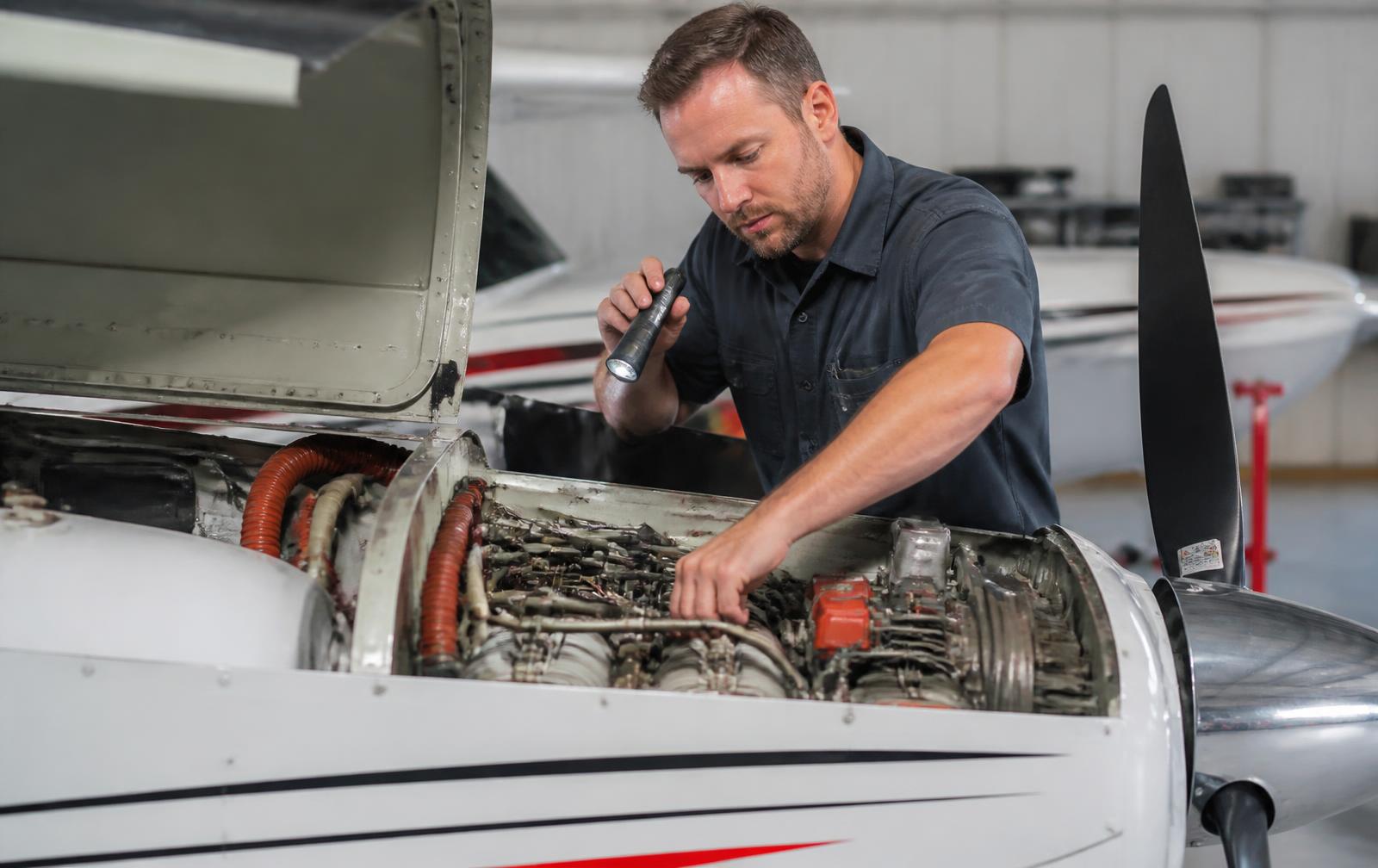
An independent pre-buy by a shop that knows the type is the single highest-return dollar you will spend. It is not an annual, and it should never be performed by the seller's own mechanic. Expect a thorough logbook review, compression check, borescope, corrosion survey, and an airworthiness directive and service bulletin audit.
Step 5: Structure the deal properly
Use a written purchase agreement, place deposits in escrow, and close through a title company that verifies the FAA registry and runs a lien search. Confirm the aircraft has a clean title, that all 337s are on file, and that logbooks are complete and continuous.
Step 6: Plan the transition
Budget for type-specific training, an insurance-approved checkout, and a shakedown period. Fly the airplane locally before launching on a long trip so you learn its systems and habits while close to maintenance you trust.
The bottom line
A first purchase done right feels boring — clear mission, honest budget, independent inspection, clean closing. That is exactly the goal. If you want a second set of eyes on a listing or a pre-buy report, call and we will walk through it together.
Questions? Talk to Joe directly.
Honest guidance from an active pilot and Aircraft Broker.